Best Time to Trim Trees in Corvallis, Oregon (Season-by-Season Guide)
When to prune — and when to wait — for healthier trees in the Willamette Valley
Planning ahead for fall? Our guide on storm-proofing Corvallis trees covers what to check before the first windstorm.
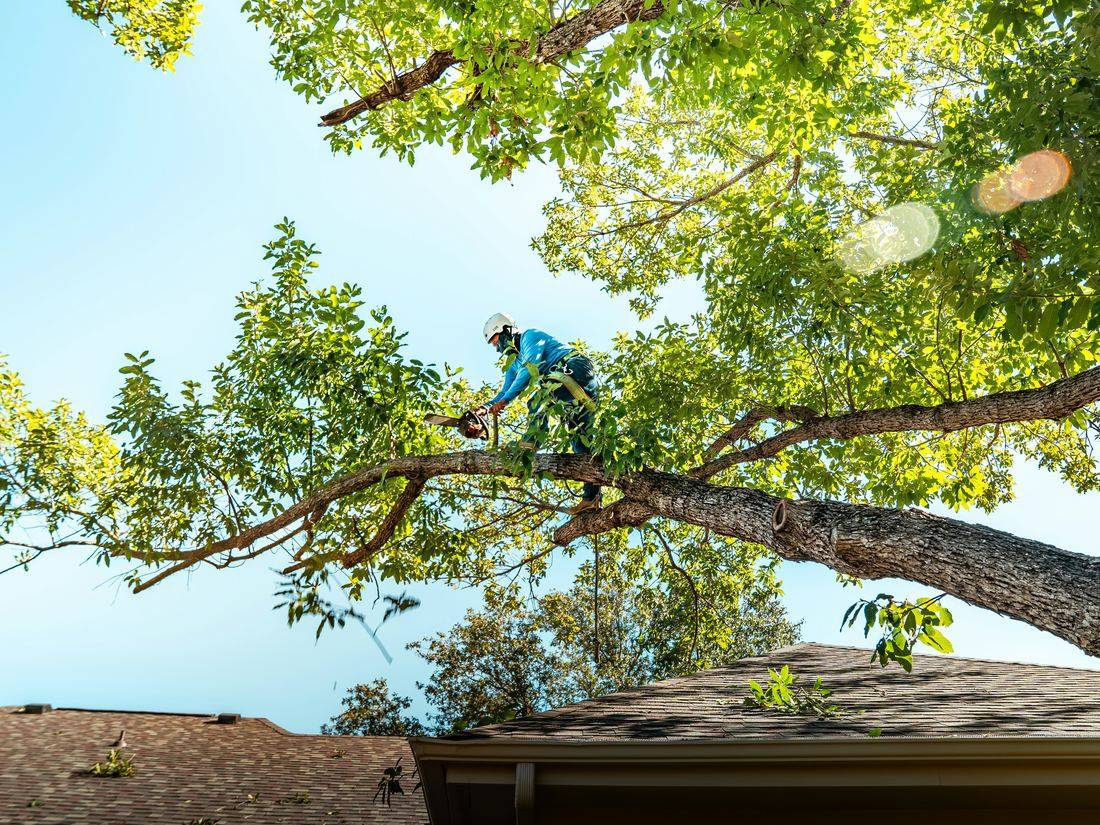
Timing matters more than most Corvallis homeowners realize when it comes to tree trimming. Prune at the wrong time of year and you risk disease, pest infestation, and slow healing. Prune at the right time and your trees come back stronger, healthier, and more structurally sound.
The good news: the Willamette Valley's climate actually gives us a clear optimal window. Here's everything you need to know about when to trim trees in Corvallis, Oregon.
Quick answer: The best time to trim most trees in Corvallis is late winter — February through early March. Trees are dormant, wounds heal quickly once spring growth begins, and pest and disease pressure is at its lowest.
Season-by-Season Trimming Guide for Corvallis
Late Winter (Feb–Mar)
The ideal window for most species. Trees are fully dormant, pruning wounds seal fast once spring growth starts, and fungal disease spores are largely inactive. Book your trimming now before spring demand peaks.
Early Fall (Oct–Nov)
Good for light maintenance and hazard pruning before storm season. Avoid heavy structural cuts — Oregon's wet fall weather slows wound healing and increases disease risk heading into winter.
Summer (Jun–Aug)
Acceptable for light crown thinning and deadwood removal. Trees are under heat and drought stress in summer, so large cuts heal slowly. Avoid heavy pruning unless safety demands it.
Hazard Removal
Dead, broken, or structurally dangerous branches should be removed immediately regardless of season. Safety always overrides timing concerns. Don't wait for the "right" season if there's a risk.
Why Late Winter Is the Best Time to Trim Trees in the Willamette Valley
The Corvallis area's climate makes late winter — roughly February through mid-March — the sweet spot for tree trimming for several reasons specific to our region:
Trees Are Fully Dormant
By February, most deciduous trees in the Willamette Valley have been dormant for months. Without active growth, trimming causes minimal stress. The tree isn't trying to push energy into leaves or fruit — it's essentially in a low-energy holding pattern waiting for spring.
Wounds Heal Fast Once Spring Arrives
Pruning cuts made in late winter heal rapidly as soon as spring growth begins. The burst of new growth that follows our wet Oregon winters means pruning wounds compartmentalize quickly — reducing the window when disease or pests can enter through cuts.
Fungal Disease Risk Is Low
Many of the fungal diseases that affect Willamette Valley trees — including various canker diseases and wood rots — spread via spores that are most active in warm, wet conditions. Late winter's cold temperatures significantly reduce this risk compared to fall or spring trimming.
Pest Pressure Is Minimal
Bark beetles, borers, and other wood-boring insects that attack weakened or freshly cut trees are largely inactive in February. Pruning in late winter means the wound has largely healed before pest season begins in spring.
Better Visibility for the Crew
For deciduous trees, late winter trimming happens before leaf-out — meaning your arborist can clearly see the entire branch structure without foliage blocking the view. This leads to better, more precise pruning decisions.
Best Trimming Time by Tree Species Common in Corvallis
| Tree Species | Best Trimming Time | Notes |
|---|---|---|
| Douglas Fir | Late winter (Feb–Mar) | Avoid summer — sap beetle attraction through fresh cuts. |
| Oregon White Oak | July–August OR winter | Never trim in spring — high risk of sudden oak death transmission. |
| Bigleaf Maple | Late winter (Feb–Mar) | Heavy sap flow in early spring — trim before buds swell. |
| Western Red Cedar | Late winter or summer | Avoid fall — slow healing in wet conditions increases disease risk. |
| Fruit Trees (Apple, Pear) | Late winter (Feb–Mar) | Trim before bloom to maximize fruit production. |
| Flowering Cherry/Plum | Immediately after bloom | Spring pruning right after flowering reduces disease risk. |
| Birch | Summer (Jun–Aug) | Avoid winter and spring — sap bleeds heavily and attracts borers. |
The Oregon White Oak Exception
Oregon white oaks deserve special attention because of sudden oak death — a serious disease spread by a water mold pathogen. In the Willamette Valley, the highest risk period for transmission is spring when spores are most active. For this reason, arborists strongly recommend trimming oaks only in mid-summer (July–August) or during dormancy in winter — never in spring.
If you have a large oak on your Corvallis property, mention this to your tree care professional. A knowledgeable local arborist will already know this, but it's worth confirming.
What About Storm Damage — Do You Still Wait for the Right Season?
No. Damaged, hanging, or structurally compromised branches should always be removed immediately regardless of season. The safety risk of a widow maker — a broken branch hanging in the canopy — far outweighs any timing concerns. Call a professional as soon as you notice significant storm damage.
How Often Should You Trim Trees in Corvallis?
Most mature trees in the Willamette Valley benefit from professional trimming every 2–3 years. Young trees may need more frequent structural pruning in their first 5–10 years to establish good branch architecture. Fast-growing species or trees near structures may need annual attention.
The most expensive tree work is almost always emergency work that could have been prevented by regular maintenance. Scheduling a routine trimming every couple of years is one of the most cost-effective things a Corvallis homeowner can do for their property.
Signs Your Tree Needs Trimming Now Regardless of Season
- Dead or dying branches anywhere in the canopy
- Branches hanging over your roof, power lines, or driveway
- Crossing or rubbing branches causing bark damage
- Storm damage — broken or hanging limbs
- Canopy so dense that light can't reach the interior
- Branches blocking sight lines from windows or driveways
- Suckers or water sprouts growing from the trunk or base
Pro tip: If you're scheduling routine trimming in Corvallis, book in January for a February appointment. Late winter trimming slots fill up fast as homeowners prepare for spring — especially after a heavy storm season. Getting on the schedule early gets you the best timing and often better pricing before peak demand hits.
🌲 Ready to schedule? Learn how to find a trusted arborist in Corvallis — and what questions to ask before you hire.
Other Tree Services in Corvallis
Ready to Schedule a Tree Trimming?
Get connected with a licensed Corvallis tree trimming expert today. Free estimates, no obligation.
Get Your Free Estimate Below